 Jul 08, 2025 - 0
Minutes read
Jul 08, 2025 - 0
Minutes read
Healthy Approaches to Losing Baby Weight: A Complete Guide for New Mothers
Understanding Postpartum Weight Loss
Bringing a new baby into the world is one of life’s most joyful experiences, but it also brings dramatic changes to your body, energy levels, and daily routine
Bringing a new baby into the world is one of life’s most joyful experiences, but it also brings dramatic changes to your body, energy levels, and daily routine. For many mothers, losing baby weight becomes a personal goal—not only for appearance but also for health, comfort, and confidence. Yet this journey should always be approached with patience, self-compassion, and a focus on overall wellness rather than quick results.
The reality is that your body underwent major changes during pregnancy to support your baby’s growth. Hormones shifted, the uterus expanded, blood volume increased, and fat stores accumulated to prepare for breastfeeding. So expecting the body to “bounce back” instantly is unrealistic and puts unnecessary pressure on new moms. Instead, a slow, steady, and healthy approach is not only more effective—it is safer and more sustainable.
This guide explores practical, science-backed, and mother-friendly ways to lose baby weight while supporting physical recovery and emotional well-being.
Before diving into strategies, it helps to understand why postpartum weight loss varies so much from mother to mother.
1. Every Body Is Different
No two pregnancies are alike. Genetics, metabolism, pregnancy weight gain, activity levels, and birth experience (vaginal or C-section) all influence how quickly your body recovers.
2. Postpartum Hormones Affect Weight
Hormones like prolactin, cortisol, and estrogen fluctuate significantly after childbirth. These can affect appetite, mood, fat metabolism, and water retention.
3. Breastfeeding Can Help—But Not for Everyone
Breastfeeding burns calories, but some mothers notice increased hunger and food intake, causing weight to stay the same or even increase. Both responses are normal.
4. Sleep Deprivation Slows Weight Loss
Lack of sleep raises stress hormones, increases cravings for carbohydrates, and lowers energy for physical activity.
Understanding these points helps set realistic expectations. Postpartum weight loss is different from regular weight loss—it’s a gradual healing process.
1. Adopt a Nourishing, Balanced Diet
Losing baby weight doesn’t mean strict dieting. In fact, extreme calorie restriction can affect milk supply, energy levels, and mental health. Instead, aim for nutrient-rich meals that fuel your body and support recovery.
Eat Enough—But Choose Wisely
Most women need at least 1,800 calories per day, and 2,000–2,300 if breastfeeding.
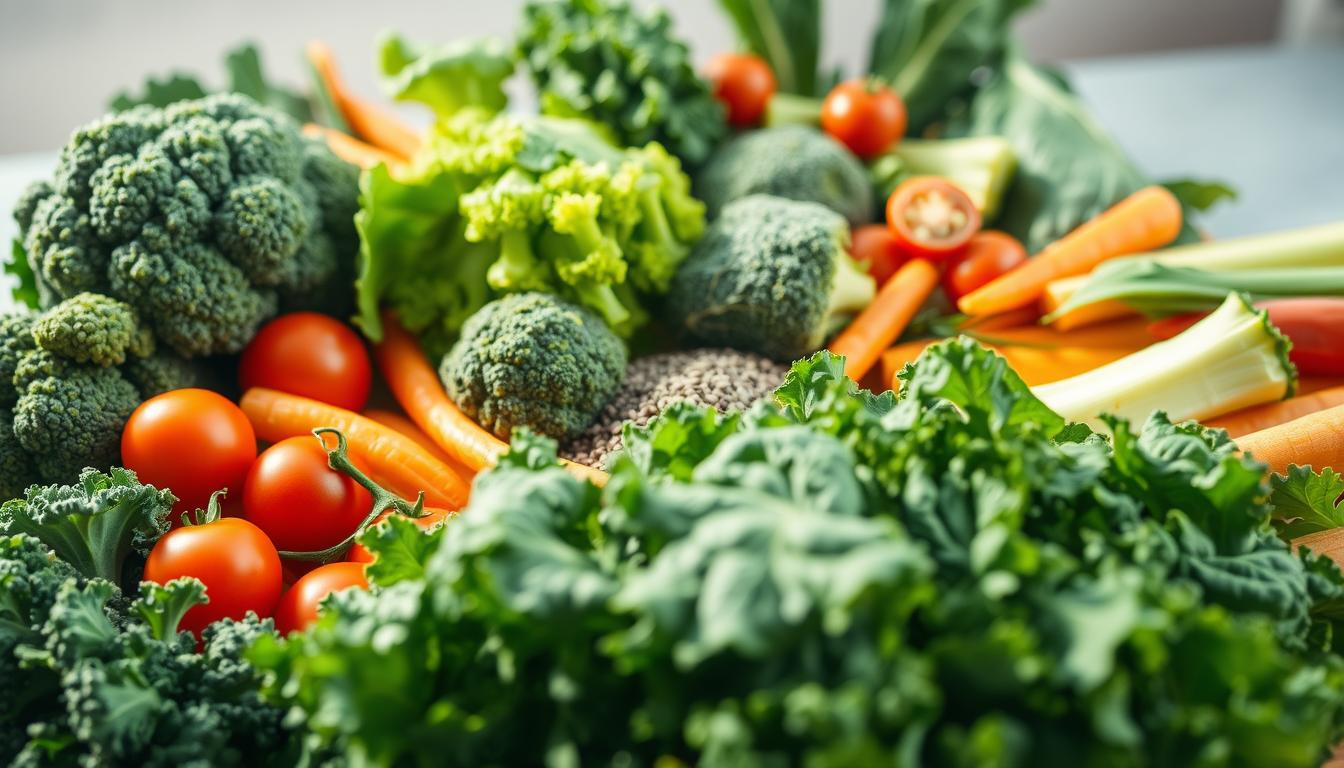
Focus on Whole, Unprocessed Foods
Fill your plate with:
Lean proteins: chicken, eggs, tofu, fish, lentils
Whole grains: brown rice, oats, quinoa
Healthy fats: avocado, nuts, seeds, olive oil
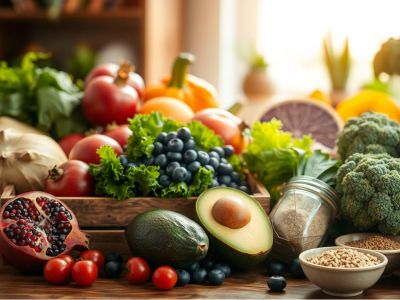
Fruits and vegetables: rich in vitamins, antioxidants, and fiber
Calcium-rich foods: dairy or fortified alternatives
Increase Fiber Intake
Fiber helps you feel fuller longer and stabilizes blood sugar. High-fiber foods include oats, apples, berries, lentils, chia seeds, and vegetables.
Stay Hydrated
Water supports milk production, reduces bloating, and improves energy. Aim for 2–3 liters daily, depending on breastfeeding and climate.
Avoid Empty Calories
Try to reduce:
Sugary drinks
Ultra-processed snacks
Fried foods
Excess sweets
These can slow weight loss and affect energy levels.
2. Practice Mindful Eating
Postpartum life is overwhelming—many mothers eat quickly, eat leftovers from their kids’ plates, or skip meals entirely. Mindful eating helps you stay connected to hunger cues and prevents overeating.
Tips for Mindful Eating
Eat slowly and chew thoroughly.
Sit down instead of eating on the go.
Don’t eat from packages—serve a portion.
Recognize emotional hunger (stress, boredom, exhaustion) vs. physical hunger.
Stop eating when comfortably full—not stuffed.
Developing mindful eating habits is more effective in the long term than restrictive diets.
3. Manage Portion Sizes Without Dieting
Portion control is a gentle, sustainable way to lose weight without feeling deprived.
Simple Portion Guidelines using Your Hand
Protein: one palm per meal
Carbs: one cupped hand
Vegetables: two open hands
Fats: one thumb
This method adjusts naturally to your body size and needs.
4. Incorporate Physical Activity Safely
Exercise helps burn calories, boost mood, strengthen muscles, and improve sleep. But postpartum exercise must be gradual—your body needs time to heal.
Start With Walking
Walking is one of the best exercises for new moms:
Low impact
Easy to begin
Burns calories
Reduces stress
Can be done with a stroller
Begin with 10–15 minutes per day and gradually increase to 30–45 minutes.
Postpartum Core Strengthening
Pregnancy stretches the abdominal muscles and pelvic floor. Before high-intensity workouts, restore these muscles to avoid injuries or diastasis recti.
Start with:
Pelvic tilts
Kegel exercises
Deep belly breathing
Heel slides
Modified planks (once cleared by a doctor)
Strength Training
Once your doctor gives clearance (usually six to eight weeks postpartum, more with a C-section), add light strength training to help rebuild muscle.
Examples:
Bodyweight squats
Light dumbbell exercises
Resistance bands
Glute bridges
Postnatal workout programs
Strength training increases metabolism, helping the body burn more calories even at rest.
Avoid High-Impact Exercises Initially
Activities like running or jump training should only start when pelvic floor health is restored.
5. Prioritize Sleep and Stress Management
Sleep deprivation is unavoidable with a newborn, but its effect on weight is significant.
How Lack of Sleep Affects Weight
Increases hunger hormones
Boosts cravings for sugar and carbs
Reduces motivation for exercise
Raises stress hormones (cortisol), which promotes fat storage
Postpartum Sleep Tips
Nap when the baby naps (even short naps help)
Share nighttime duties when possible
Avoid caffeine late in the day
Limit screen time before bed
Create a short relaxing bedtime routine
Stress Reduction Practices
Deep breathing
Light stretching or yoga
Listening to calming music
Spending time outdoors
Talking to supportive friends or groups
Managing stress helps the body stay hormonally balanced and supports weight loss.
6. Breastfeeding and Baby Weight
Breastfeeding can burn 300–500 calories per day, which may support weight loss. However, it also increases hunger, so results vary.
Facts to Understand
Breastfeeding alone is not a guarantee of weight loss.
Some mothers lose weight faster; others don’t.
Weight often decreases more noticeably after introducing solids (6 months+).
Maintaining a balanced diet is crucial for milk quality and maternal energy.
Regardless of weight loss, breastfeeding has many benefits—but your worth as a mother is not defined by whether or not you breastfeed.
7. Be Patient With Your Body
Many factors affect postpartum weight loss:
Age
Hormones
Sleep
Stress
Genetics
Number of previous pregnancies
Type of delivery
The commonly repeated saying that women return to pre-pregnancy weight by six weeks is unrealistic and unhealthy.
A realistic outlook
First 6 weeks: natural loss of fluids and pregnancy weight
3–6 months: gradual, healthy fat loss
6–12 months: continued weight reduction
After 12 months: remaining weight may slowly reduce
Your timeline is unique, and that is okay.
8. Avoid Comparing Yourself to Others
Social media often shows unrealistic “snapback” bodies. Many images are filtered, posed, or the result of professional training, nannies, meal prep services, or personal chefs—things not available to everyone.
Comparison steals joy and creates pressure. Instead, celebrate the strength of your body and appreciate its journey.
9. Set Gentle, Realistic Goals
Healthy postpartum weight loss is typically 0.5 kg (1 lb) per week, depending on breastfeeding and activity. More important than the number on the scale is how you feel: stronger, happier, and healthier.
Examples of realistic goals
Walk 20–30 minutes a day
Add two strength workouts per week
Drink 2 liters of water daily
Include vegetables in two meals a day
Practice mindful eating
Small, consistent habits lead to long-term success.
10. Seek Support When Needed
Postpartum life is emotionally and physically demanding. You don’t need to do everything alone.
Sources of Support
Family or partner
Friends
Motherhood support groups
Postnatal fitness coaches
Nutritionists
Healthcare providers
If weight loss is unusually difficult and accompanied by exhaustion, depression, or other symptoms, consult a doctor to rule out thyroid issues or postpartum depression.
Final Thoughts: Celebrate Your Body’s Journey
Losing baby weight is not a race—it’s a gentle journey of returning to yourself while embracing a new chapter of motherhood. Your body has done something extraordinary. Instead of punishing it, nourish it. Instead of comparing it, celebrate it. Instead of rushing it, honor the pace at which it heals.
Healthy, sustainable weight loss comes from balanced eating, regular movement, adequate sleep, and emotional well-being. When you prioritize these foundations, your body naturally moves toward a healthier state.